


- Home
- About
- Practice Areas
- Business and Corporate Law
- Business Formation and Structuring
- Asset and Stock Purchases and Sales
- Trademark and Copyright
- Mergers & Acquisitions
- Business Valuations and Buyouts
- Business Financing and SBA Loans
- General Counsel Services
- Founders Agreements
- Shareholder Agreements
- Non-Compete, Non-Solicitation, and Non-Disclosure Contracts
- Joint Venture Agreements
- Licensing
- Asset Protection
- Franchise Agreements
- Business Dissolution and Restructuring
- Business and Commercial Litigation
- Real Estate
- Real Estate Fraud & NVAR Residential Sales Contracts
- Construction Disputes & Mechanics Liens
- New Home Construction and Builder Contract Disputes
- Asset Protection
- Easements
- Boundary Line Disputes
- Quiet Title Actions
- Adverse Possession Claims
- Injunctions, Nuisance, and Trespass Claims
- Title Litigation
- Real Estate Deeds
- New Deed Request
- Commercial Property Acquisitions, Sales, and Development
- Commercial Leasing Disputes
- Landlord-Tenant Disputes
- Real Estate Brokers & Agents
- Condominiums, HOA & Cooperatives Law
- Partition/Allotment Actions
- Mold, Asbestos, and Toxic Torts Defense
- Hard Money Loan Agreements
- Real Estate Investors
- Property Managers
- Wholesaling Agreements
- Estate Planning
- Estate and Trust Litigation
- Business and Corporate Law
- Media
- Blog
- Contact Us


703-652-5506
 Attorney Profile
When to Take Legal Action for Deed Fraud
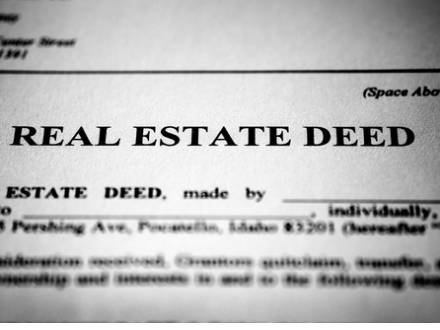 Deed fraud is not the kind of thing that property owners can wait on to see if it resolves by itself. A fraudulent filing can make it impossible to sell, refinance, or otherwise use real estate.
If you find out you are the victim of deed fraud in 2026, a Prince George's County real estate attorney can determine whether legal action is necessary to protect the property and address any resulting financial losses.
What Is Deed Fraud in Maryland?
Deed fraud is when someone records or uses a deed that falsely represents who owns real estate or who has authorized a transfer.
One straightforward example is forging an owner's signature on a deed and recording that document as though the owner voluntarily transferred the property. More complicated cases may involve:
- Several false documents
- Forged signatures
- Shell companies
- Loans obtained using the real estate as collateral
Maryland Real Property law directly prohibits knowingly recording a deed or other real estate instrument containing false information. Maryland criminal law also specifically prohibits counterfeiting a deed with intent to defraud under Maryland Criminal Law § 8-601.
Because deed fraud is such an obvious crime, and because the consequences for real estate owners can be so dire, you should meet with an attorney as soon as you suspect deed fraud may have been committed against your property.
When Should You Take Legal Action Over Deed Fraud?
Legal action should be taken as soon as a fraudulent document creates a dispute over ownership or places a lien or other encumbrance against a property. Without quick legal action, the fall-on effects of deed fraud compound and get more complicated and expensive to resolve.
Those who practice deed fraud are often sophisticated criminals who know how to cover their trail. Evidence can be difficult to locate, and in the meantime, additional fraudulent transactions may be attempted. Both private and commercial property owners need immediate protection from an experienced real estate attorney.
How Can a Lawsuit Clear a Fraudulent Deed From Your Property?
Maryland law allows the real owner of a property to bring an action when another person claims ownership or asserts a lien or encumbrance against the property. The court looks at the competing claims and removes a cloud on the legitimate owner's title.
In a deed fraud case, however, clearing title may be only one part of the lawsuit. If fraudulent documents were used to get a loan or otherwise cause financial losses, the owner may also have financial claims against the people who participated in the scheme. These cases can be particularly complicated when one fraudulent transaction leads to another.
Can Filing a Lawsuit Actually Catch the Perpetrators of Deed Fraud?
One of the most important parts of a deed fraud case is figuring out exactly who was involved and how it all happened. This can be difficult for a number of reasons, not least of which is that deed fraud often involves more people than the one whose name is on a forged document.
There may be people who did many other things relating to the case: prepared false paperwork, arranged financing, opened accounts, moved loan proceeds, or helped record fraudulent deeds.
Filing a lawsuit gives an attorney access to formal discovery tools that can help uncover that information. Bank records, loan documents, emails, title records, and other records can be subpoenaed. Evidence uncovered through civil litigation can identify additional participants and create a much clearer picture of how the fraud occurred.
When Does Deed Fraud Result in Significant Financial Damages?
A fraudulent deed can cause serious problems for property owners. This includes:
- Preventing a much-needed sale
- Creating legal expenses and the headache of legal proceedings
- Encumbering valuable property with debt
- Allowing someone else to obtain substantial loan proceeds
Our firm recently represented a defrauded party in a complex lawsuit against two defendants involving multiple forged deeds and forged client signatures used to obtain loan proceeds secured against the client's real estate. The case resulted in a high six-figure settlement. Cases of this kind show why deed fraud should be treated as a serious business and real estate dispute rather than a simple paperwork problem.
Call a Prince George's County Real Estate Litigation Attorney Today
If a forged deed, fraudulent transfer, or improper lien is interfering with your property rights, legal action may be necessary to clear title and go after the people responsible.
Howard County real estate lawyer Faisal Moghul of Fox & Moghul represents clients in complex fraud and real estate disputes, including deed fraud litigation. Mr. Moghul was selected to the 2026 Super Lawyers list and has experience handling sophisticated cases of deed fraud.
Call Fox & Moghul at 703-652-5506 to discuss your case.
